Blog Hub

View industry insights, practical guides, and selected perspectives here to continuously obtain valuable content.

Home 博客中心

Blog

Blog

Distributor's perspective: capability boundaries to confirm before recommending an entry-level fiber laser tube cutting machine to customers
Popular

Distributor's perspective: capability boundaries to confirm before recommending an entry-level fiber laser tube cutting machine to customers

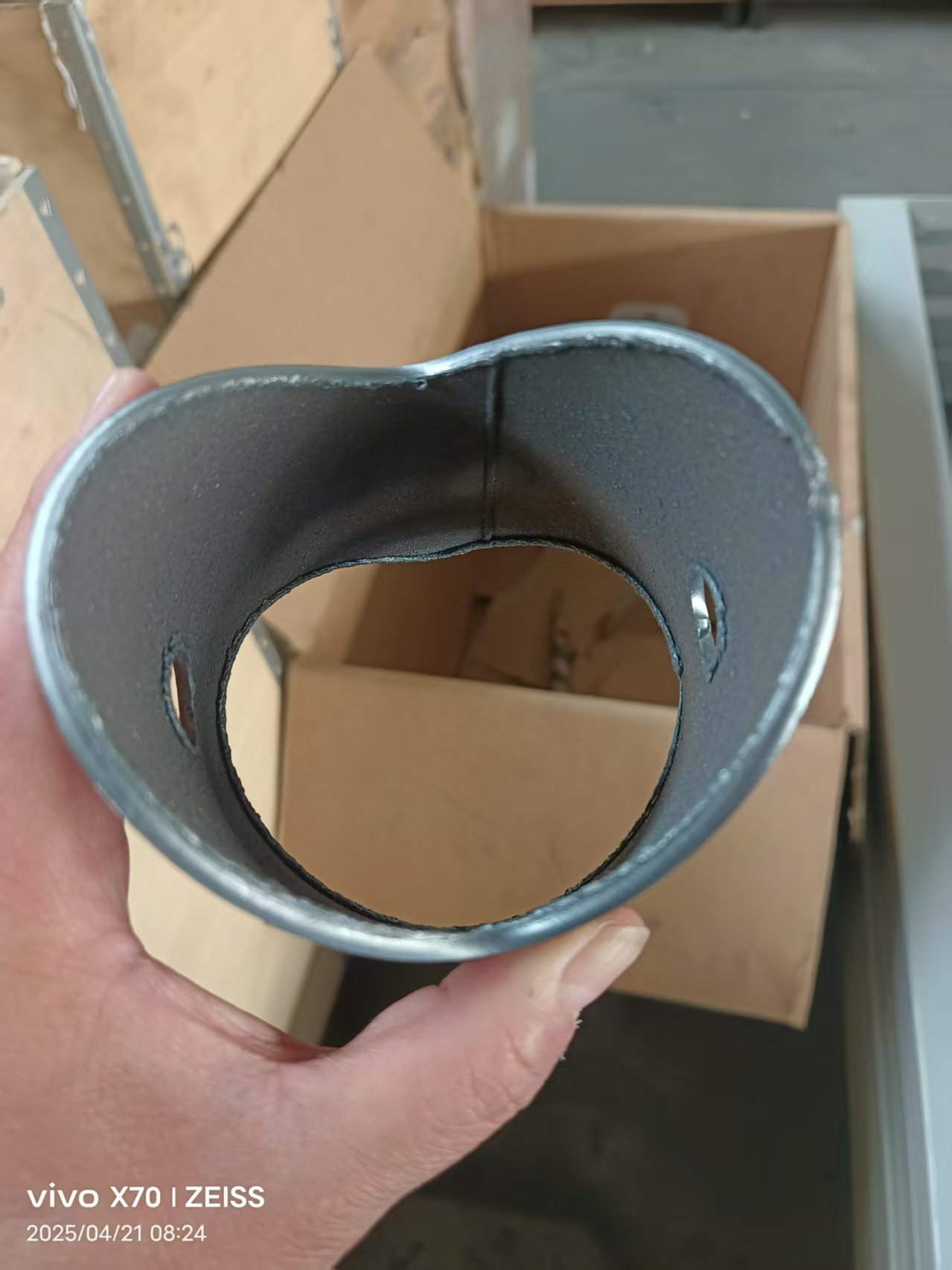
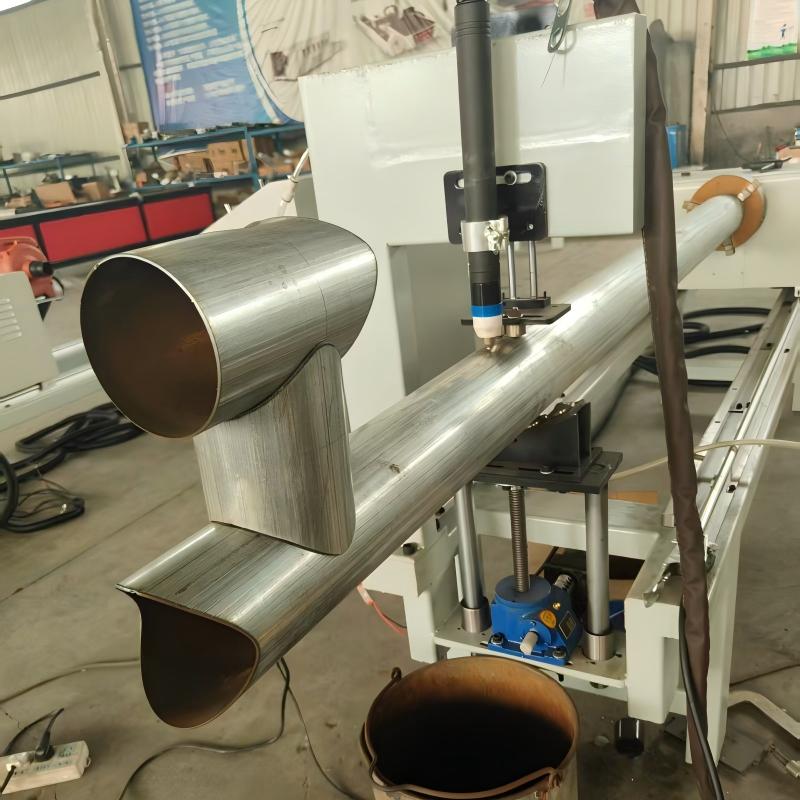
For individual hardware processing operators, small metal product factories, and pipe processing entrepreneurs, this article starts from actual processing scenarios and sorts out the applicable boundaries of mini economical fiber laser pipe cutting machines, the logic for judging power and cycle time, the signals for configuration customization trade-offs, and the key information that needs to be confirmed with the product provider before recommendation, helping you make a clear judgment during the model selection stage.
Read Full Article →
Distributor's perspective: capability boundaries to confirm before recommending an entry-level fiber laser tube cutting machine to customers
2026-10-01

Distributor's perspective: capability boundaries to confirm before recommending an entry-level fiber laser tube cutting machine to customers

For individual hardware processing operators, small metal product factories, and pipe processing entrepreneurs, this article starts from actual processing scenarios and sorts out the applicable boundaries of mini economical fiber laser pipe cutting machines, the logic for judging power and cycle time, the signals for configuration customization trade-offs, and the key information that needs to be confirmed with the product provider before recommendation, helping you make a clear judgment during the model selection stage.
Impact of adjustment-free and maintenance-free operation on recruitment: can it be used without skilled laser operators?
2026-09-30

Impact of adjustment-free and maintenance-free operation on recruitment: can it be used without skilled laser operators?

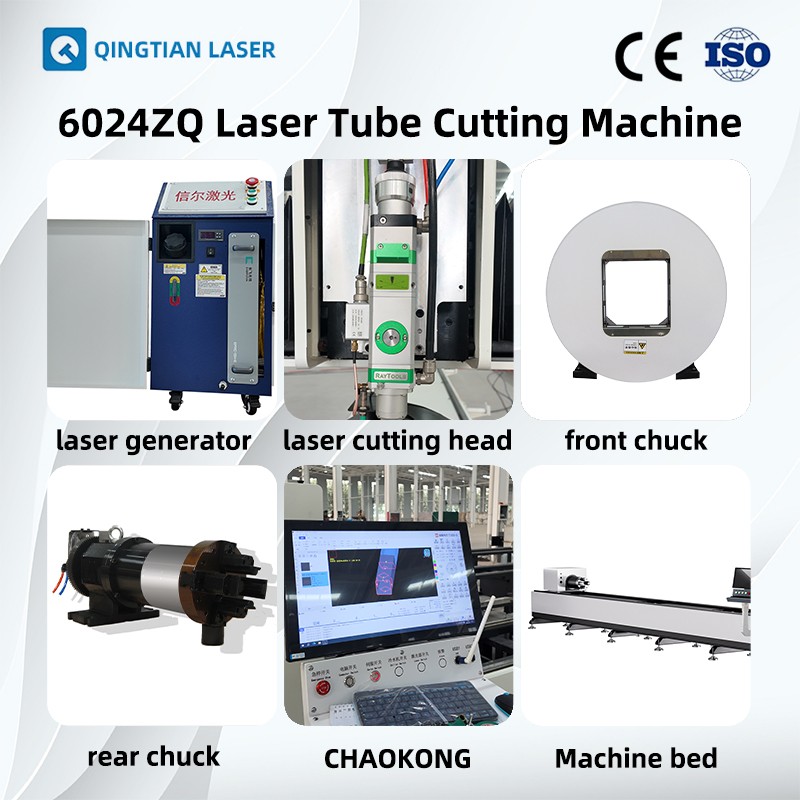
Conclusion first: For two-dimensional cutting, hole-making, and truncation processing of small-diameter round tubes and square tubes, if there is no skilled laser operator, a mini economical fiber laser tube cutting machine can be used for most routine orders, provided that the tube material and thickness of the orders fall within the 0-10mm range, the cutting speed of 7000-8000mm/min matches the production takt time, and someone is arranged to complete installation, commissioning, and operation training. Its features such as adjustment-free and maintenance-free operation, simple operation, and support for multiple graphic formats can reduce dependence on skilled workers, but maintenance-free does not mean completely maintenance-free; routine cleaning and inspection are still necessary. This article, from the perspective of labor employment, breaks down the adaptation conditions, situations not recommended, and selection boundaries to help

Outsourcing or In-House Purchase: A Comparison of Two Paths for Small-Diameter Pipe Cutting
2026-09-29

Outsourcing or In-House Purchase: A Comparison of Two Paths for Small-Diameter Pipe Cutting

The core difference between outsourcing and self-purchasing lies not in the equipment price, but in who holds the execution rights for cutting and who bears the quality responsibility. This article breaks down the trade-off logic of the two paths from four dimensions: processing method, pipe material coverage range, applicable scenarios, and long-term ownership cost, to help individual hardware processing operators, small metal product factories, and pipe material processing entrepreneurs determine which path better suits their order structure.

How to choose a mini economical fiber laser tube cutting machine? Who is it suitable for, and who is it not suitable for?
2026-09-26

How to choose a mini economical fiber laser tube cutting machine? Who is it suitable for, and who is it not suitable for?

Centered on the mini economical fiber laser tube cutting machine, starting from the matching logic between a cutting thickness of 0-10mm and 1500 watts of power, this breaks down the suitability assessment for three typical scenarios: guardrail posts, metal furniture, and advertising frames, and provides a three-step method to work backward from one's own tube thickness to the required power, helping small processing operators determine the boundary between choosing a standard configuration and a custom configuration.

WhatsAppmailmail